Hollywood’s Shifting Sands: Box Office Battles, Award Season Revelations, and an Industry in Flux
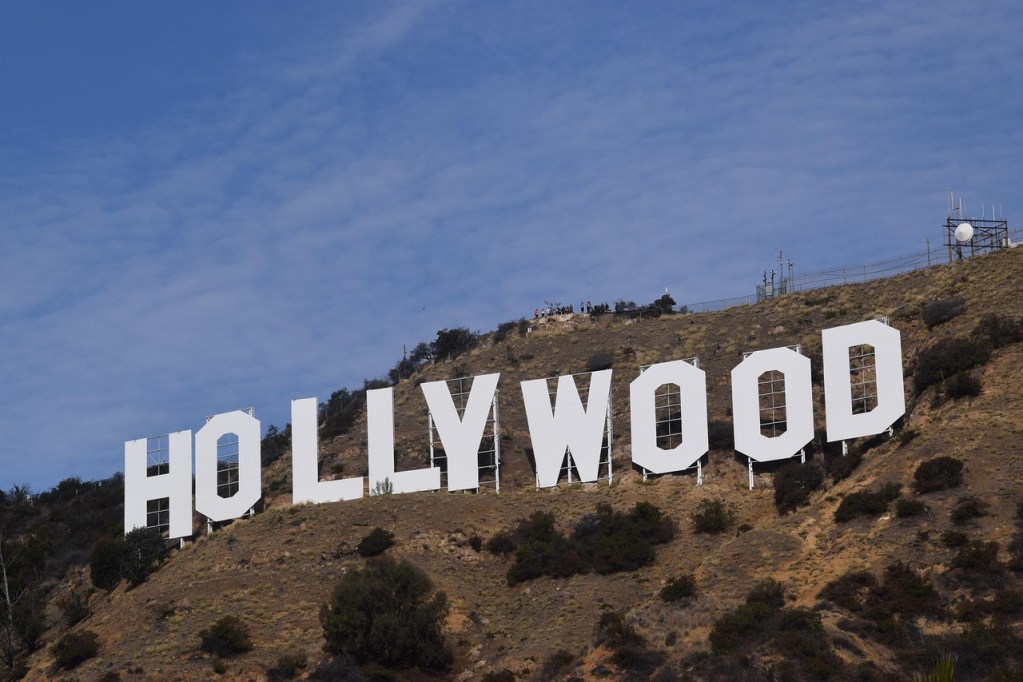
Hollywood studios, filmmakers, and audiences globally are navigating a profound transformation in cinematic production, distribution, and critical recognition, as evidenced by the past year’s volatile box office performance and the 2023-2024 awards season results. This period highlights a critical juncture where traditional theatrical models clash with burgeoning streaming dominance, forcing an industry-wide reevaluation of content strategy, audience engagement, and the very definition of a successful film.
Context: A Post-Pandemic Industry in Redefinition
The global film industry continues to grapple with the residual effects of the pandemic, which accelerated the shift towards streaming platforms and fundamentally altered audience viewing habits. The traditional 90-day theatrical window has largely evaporated, replaced by varied, often abbreviated, release strategies. This disruption has forced studios to re-evaluate investment in large-scale theatrical releases against the consistent revenue streams offered by subscription services.
Moreover, the landmark WGA and SAG-AFTRA strikes of 2023 further complicated production schedules and promotional campaigns, delaying numerous projects and impacting the pipeline for future releases. These industrial actions underscored underlying tensions within Hollywood regarding compensation, residuals in the streaming era, and the nascent integration of artificial intelligence in creative processes.
Simultaneously, major awards ceremonies like the Academy Awards, Golden Globes, and BAFTAs have faced declining viewership and scrutiny over their relevance and selection processes. Efforts to diversify membership and broaden appeal have been ongoing, yet the struggle to captivate a mass audience persists amidst a fragmented media landscape.
The Box Office: Hits, Misses, and Emerging Trends
The 2023 box office presented a mixed, yet telling, picture of audience appetite. The ‘Barbenheimer’ phenomenon, driven by Greta Gerwig’s ‘Barbie’ and Christopher Nolan’s ‘Oppenheimer’, demonstrated the enduring power of original concepts and event filmmaking when executed with cultural resonance. ‘Barbie’ grossed over $1.4 billion worldwide, while ‘Oppenheimer’ exceeded $950 million, proving that theatrical exhibition can still yield massive returns for compelling narratives.
Conversely, several high-budget franchise films underperformed significantly, signaling audience fatigue with generic sequels and prequels. Industry analysts, such as those at Comscore, report a continued decline in overall attendance compared to pre-pandemic levels, despite individual successes. This suggests a more discerning audience, willing to pay for premium experiences but increasingly selective about what warrants a trip to the cinema.
The data indicates a bifurcation: original, high-concept films and established, beloved franchises with strong critical reception tend to thrive, while mid-budget dramas and less compelling franchise entries struggle against the convenience of home viewing. This trend exerts significant pressure on studios to greenlight fewer, but higher-impact, theatrical releases.
Awards Season 2023-2024: A Reflection of Industry Shifts
The recent awards season, culminating in the 96th Academy Awards, largely mirrored the box office and critical consensus, with Christopher Nolan’s ‘Oppenheimer’ emerging as the dominant force. The film’s sweep across categories, including Best Picture, Best Director, and multiple acting and technical awards, underscored its critical acclaim and commercial success.
Yorgos Lanthimos’s ‘Poor Things’ also garnered significant attention, particularly for Emma Stone’s Best Actress win, showcasing a continued appreciation for bold, unconventional storytelling. Justine Triet’s ‘Anatomy of a Fall’ and Jonathan Glazer’s ‘The Zone of Interest’, both non-English language films, achieved notable success in major categories, signaling a growing internationalization of Hollywood’s critical gaze and the Academy’s broadening membership.
The nominations for films like ‘Killers of the Flower Moon’, ‘Past Lives’, and ‘The Holdovers’ highlighted a renewed appreciation for character-driven narratives and diverse thematic explorations. Greta Gerwig’s ‘Barbie’, despite its immense cultural impact and box office success, faced a more contentious awards run, sparking debates about the Academy’s recognition of popular cinema versus traditional prestige fare.
The awards season also served as a platform for discussions on diversity and representation. While strides have been made, the composition of nominees and winners continues to invite scrutiny. The consistent recognition of international films and filmmakers, however, points to a positive trajectory towards a more globally inclusive industry perspective, as noted by critics like Manohla Dargis of The New York Times.
The Streaming Imperative and Theatrical Future
Streaming platforms like Netflix, Max, and Apple TV+ continue to invest heavily in original content, blurring the lines between television and film. Films initially designed for theatrical release are increasingly finding homes on these services, either through direct-to-streaming releases or accelerated post-theatrical windows. This model offers greater flexibility and potentially wider audience reach for certain genres, particularly dramas and documentaries that might struggle at the box office.
However, the long-term sustainability of this model, particularly regarding profitability and talent compensation, remains a subject of intense debate. Studio executives are reportedly exploring hybrid models that prioritize initial theatrical exclusivity for tentpole releases, followed by swift transitions to streaming to maximize revenue across different windows. The success of this approach hinges on effective marketing and robust content pipelines, which were disrupted by the recent strikes.
The debate over the ‘cinematic experience’ persists. While audiences appreciate convenience, the communal experience of a major film in a cinema remains a powerful draw for specific titles. The industry’s challenge lies in identifying which films truly necessitate and benefit from a theatrical run, and how to make that experience compelling enough to justify the cost and effort for consumers.
Expert Perspectives and Data Analysis
Film finance experts, such as Stephen Galloway of The Hollywood Reporter, emphasize the escalating costs of production and marketing, pushing studios towards safer, established IP. Yet, the success of ‘Oppenheimer’ and ‘Barbie’ demonstrates that original storytelling, when backed by visionary direction and substantial marketing, can still break through.
Data from analytics firms like Nielsen indicates that while streaming viewership continues to grow, subscriber churn remains a significant concern for platforms. This necessitates a continuous influx of high-quality, engaging content to retain audiences, driving the demand for more original films and series from Hollywood’s creative talent. The WGA and SAG-AFTRA strikes highlighted the critical role of these creatives and the need for equitable compensation in this new ecosystem.
Moreover, the increasing influence of film festivals like Cannes, Venice, and Toronto in shaping awards season narratives cannot be overstated. These festivals serve as crucial launchpads for prestige films, generating early buzz and critical momentum that can propel a movie through the competitive awards circuit.
Implications: What’s Next for Hollywood
The future of Hollywood will be defined by its ability to adapt to these converging pressures. The industry must find a sustainable balance between theatrical exhibition and streaming, recognizing that both have distinct, yet interconnected, roles in the ecosystem. This will likely involve more strategic, targeted theatrical releases for event films, while leveraging streaming for a broader range of content and global reach.
Awards ceremonies will continue their efforts to broaden appeal, potentially through innovative broadcast formats and greater engagement with diverse global cinema. Their relevance hinges on their capacity to reflect the evolving tastes of a global audience and to celebrate artistic merit across all platforms and genres. Expect continued debates about the inclusion of streaming-only films in major categories.
The ongoing integration of artificial intelligence will present both opportunities and challenges, from enhancing visual effects to potentially streamlining pre-production processes. However, the ethical implications and the impact on creative jobs will remain a critical focus for guilds and studios alike, as seen during the recent labor disputes.
For audiences, this dynamic landscape promises a continued wealth of content, albeit through increasingly varied channels. The discerning viewer will need to navigate a more fragmented distribution environment, but with the potential for greater access to diverse storytelling. The industry’s capacity to cultivate original voices and deliver compelling narratives, regardless of their initial release strategy, will ultimately determine its enduring cultural impact and economic vitality. Watch for studios to double down on unique, high-concept projects that offer a clear differentiator from the vast streaming libraries, alongside a more disciplined approach to franchise management.